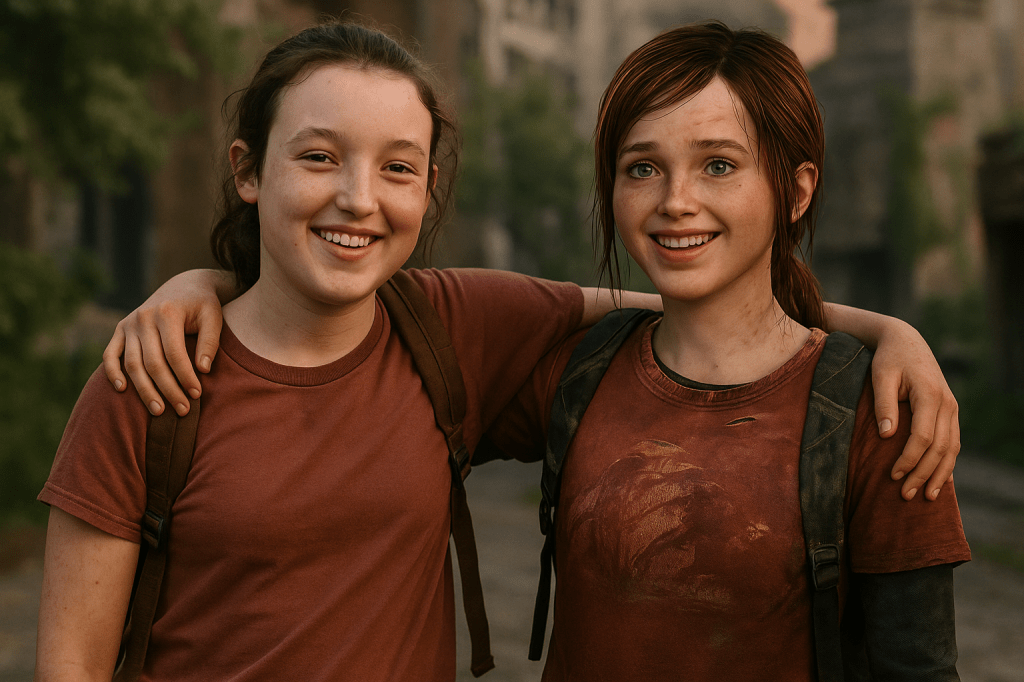
Ever since HBO’s The Last of Us Season 2 entered production, fans of the critically acclaimed video game series have been holding their collective breath. Season 1 was widely praised for faithfully adapting the original game while injecting deeper emotional beats, stunning performances, and cinematic storytelling. But now, with Season 2 drawing from the more controversial The Last of Us Part II, the online discourse has become increasingly polarized. Gamers are dissecting every casting choice, script leak, and creative decision—often with sharp criticism.
But here’s the question: are gamers being too critical of the new season?
Let’s take a closer look at why The Last of Us Season 2 deserves more credit than it’s currently getting.
1. The Show Is Taking Narrative Risks—and That’s a Good Thing
Gamers know Part II was bold in its storytelling. It subverted expectations, challenged loyalties, and forced players to step into perspectives they didn’t always want to understand. The show is doing the same, and that’s exactly what great adaptations should do.
HBO’s creative team isn’t just translating pixels to screen—they’re expanding on the emotional complexity that made Part II so divisive yet powerful. Instead of taking the easy, fan-pleasing route, they’re honoring the game’s commitment to emotional honesty. That takes courage in an era when many adaptations play it safe.
2. The Performances Are Already Standouts
Just like Pedro Pascal and Bella Ramsey silenced doubters with their phenomenal portrayals in Season 1, the casting choices for Season 2 are shaping up to be inspired.
Kaitlyn Dever as Abby? A bold pick that already has Emmy potential based on leaked scenes and early footage. Bella Ramsey continues to evolve Ellie’s arc with depth and emotional nuance. These performances are capturing the essence of the characters while bringing something new to the table—a balance that’s hard to achieve.
3. The Visual Direction Is Next-Level
The production design for Season 2 isn’t just “faithful”—it’s elevated. Locations like Jackson and the Pacific Northwest are being brought to life with cinematic scale and gritty detail. The infected look more terrifying than ever, and the use of lighting and sound is immersing viewers in a post-apocalyptic world that’s both beautiful and brutal.
Gamers often focus on accuracy—but in this case, the show is enhancing the game’s atmosphere rather than just recreating it.
4. It’s Made for More Than Just Gamers
Here’s a tough pill to swallow: The Last of Us TV series isn’t just for people who played the game. It’s also for people who didn’t.
Some of the most vocal criticism comes from fans who are deeply attached to how they experienced the story. But the series is opening the world up to new viewers—people who may never touch a controller, but who are emotionally invested in the story.
Judging the show solely through a “gamer purist” lens misses the broader impact it’s having.
5. Neil Druckmann and Craig Mazin Know the Source Material Better Than Anyone
This isn’t a studio cash-in. It’s being led by the very people who created the game (Druckmann) and someone who helped make Chernobyl, one of the most respected series of the decade (Mazin).
They’ve shown they care deeply about the characters, themes, and tone of the original. And while they are making changes, they’re doing it with purpose—not out of ignorance or disrespect. The creative decisions are being made by people who love this world as much as any gamer does.
In Conclusion: Trust the Process
Gamers have every right to be passionate—it’s that passion that helped make The Last of Us such a lasting cultural force. But there’s a fine line between critique and resistance to change. So far, the signs point to The Last of Us Season 2 being a thoughtful, daring continuation of an already exceptional adaptation.
It might not match your headcanon beat-for-beat. It might even make you uncomfortable. But if the goal of art is to challenge, move, and provoke thought—then The Last of Us is doing exactly what it should.
What do you think? Are fans being too harsh, or is the criticism warranted? Let’s talk in the comments.
 BigCrits
Leave a comment