Author: BigCrits

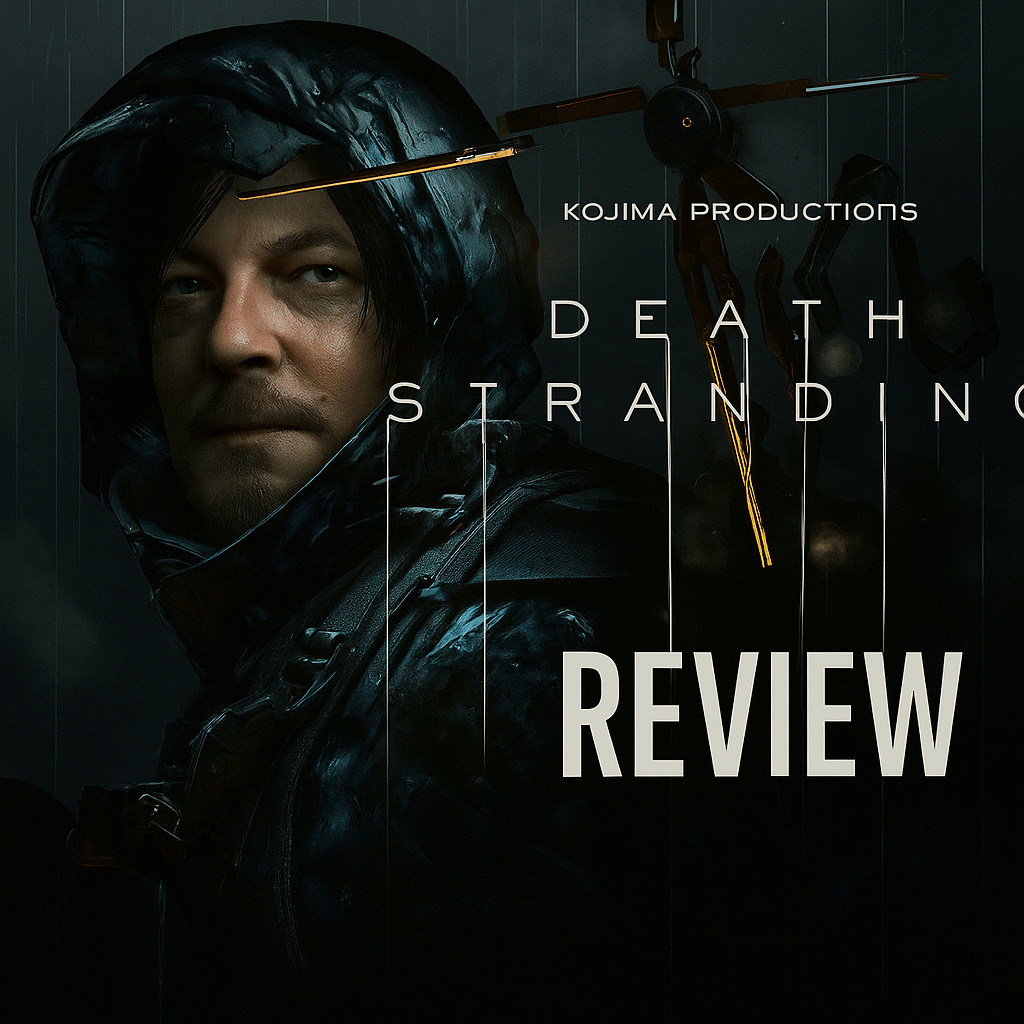
  • Game Review: Death Stranding: Director’s Cut – A Bold, Beautiful Masterpiece from Kojima

    Game Review: Death Stranding: Director’s Cut – A Bold, Beautiful Masterpiece from Kojima

    Gameplay: A Journey Like No Other

    If you’re looking for a gameplay experience that defies conventions, Death Stranding: Director’s Cut is in a league of its own. Hideo Kojima introduces a new genre—the “Strand” game—that focuses on delivering cargo, connecting communities, and surviving a post-apocalyptic world that feels eerily plausible.

    What makes the gameplay so compelling is how it evolves with you. It starts with a deliberate pace, challenging but never discouraging. As you improve, the mechanics feel more natural and rewarding. The sense of progression is perfectly tuned—you’re always learning, always improving, and the game respects your time and effort. Whether you’re navigating treacherous mountains or building highways to ease future travel, every moment feels earned.


    Graphics: Next-Level Photorealism

    Simply put, Death Stranding is one of the best-looking games ever made. The landscapes are so stunningly realistic you’ll find yourself pausing just to soak it all in. From windswept plains to rain-drenched cliffs, the world is rich with environmental detail that feels alive and immersive.

    Character models are based on real actors—including Norman Reedus, Mads Mikkelsen, and Léa Seydoux—and their performances shine through not just in dialogue, but in every facial expression and movement. It’s like watching a high-budget film where you control the lead role. Frame rates are buttery smooth, ensuring the cinematic experience never breaks.


    Music & Sound: Atmospheric and Original

    The sound design in Death Stranding is nothing short of phenomenal. The original soundtrack, featuring artists like Low Roar, is hauntingly beautiful and perfectly tailored to the game’s mood. It never feels generic or forced—it becomes part of the journey itself.

    Voice acting is top-tier, rivaling Hollywood in quality and emotion. Environmental sounds, from the crunch of gravel beneath your boots to the hum of your bike, are deeply immersive and meticulously crafted. Whether you’re traversing a river or sneaking through a BT-infested zone, the audio brings every moment to life.


    Story: Wild, Deep, and Satisfying

    Kojima is known for telling stories that challenge the norm, and Death Stranding is no exception. It’s bizarre, emotional, and deeply philosophical. While it can feel confusing at times—especially early on—the payoff is more than worth it.

    By the time the credits roll, all the puzzle pieces fall into place. Every question finds an answer. Every narrative thread is tied up with purpose. It’s a rare kind of storytelling that leaves you thinking about its message long after you’ve put down the controller.


    Final Verdict

    Score: 9.6/10

    Death Stranding: Director’s Cut is not just a game—it’s an experience. With groundbreaking gameplay, jaw-dropping visuals, unforgettable music, and a story that dares to go places few others will, this is Kojima at his most unrestrained and brilliant. It won’t be for everyone—but for those willing to take the journey, it’s unlike anything else in gaming.
  • Game Review: The Elder Scrolls IV: Oblivion Remastered – Return of the King (of Cyrodiil)

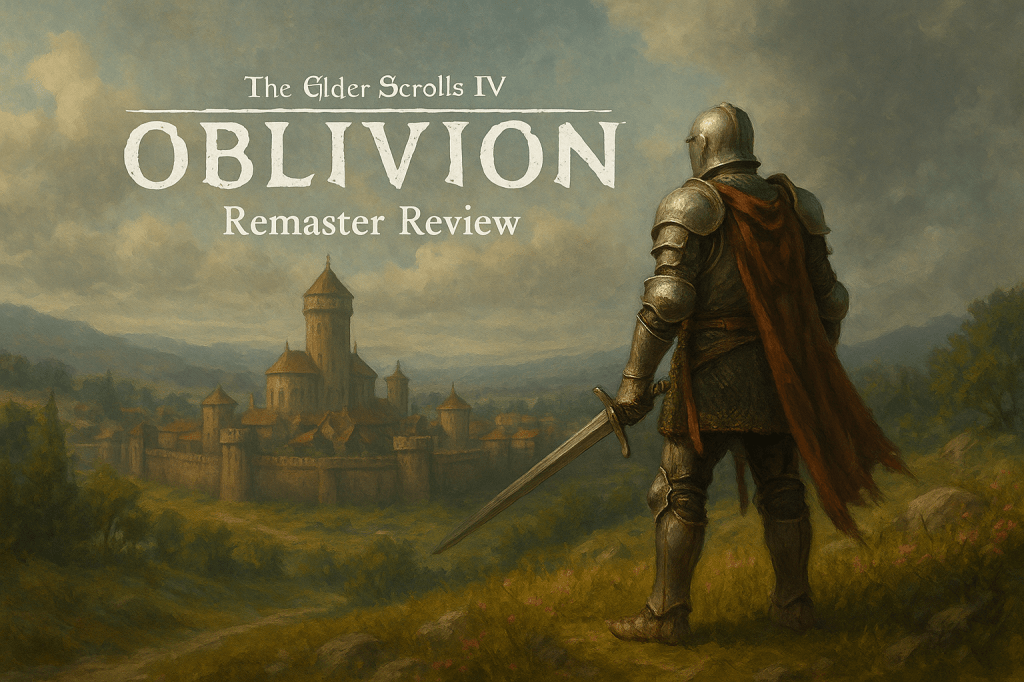
    Game Review: The Elder Scrolls IV: Oblivion Remastered – Return of the King (of Cyrodiil)

    They say you can’t go home again—but Bethesda just handed us the keys to the Imperial City, polished the brass on every gate, and said, “Yeah, you can.” Oblivion Remastered is finally here, and it’s the high-fantasy blast from the past we didn’t know we needed (until we got lost picking Nirnroot for 3 hours).

    Whether you’re here to relive that first gate to hell or you’re a first-timer wondering why everyone’s talking about that cheese-loving mad god, buckle up. Because Oblivion Remastered is as weird, wonderful, and wobbly as you remember—now with 2025 glow-up graphics and quality-of-life tweaks that finally respect your time and your nostalgia.


    The Premise: Close the Gates, Save the World, Pet a Troll (Maybe)

    Set in the richly varied province of Cyrodiil, Oblivion still kicks off with the same legendary setup: the emperor is dead, the gates of Oblivion are opening, and you—a literal prisoner—just so happen to be the last hope for Tamriel. Classic Bethesda.

    The main quest holds up surprisingly well, especially with the remastered cutscenes and a few re-recorded lines adding some modern punch to Martin Septim’s brooding messiah vibes.


    Graphics & World: From Potato Faces to Portrait-Ready

    Remember the old Oblivion NPCs with stretched smirks and uncanny valley eyes? Gone. This remaster blesses us with retextured characters, overhauled lighting, and completely redone flora and architecture. The Imperial City at sunset? Absolutely majestic.

    Yes, Skyrim still feels more grounded in terms of realism, but Oblivion Remastered leans into a painterly, slightly surreal aesthetic that works beautifully. The glow of Daedric portals is more ominous than ever, and the Shivering Isles? Still a trip, now in glorious detail.


    Combat & Gameplay: Better, But Still Oblivion

    Here’s where it gets tricky. Combat in Oblivion Remastered is smoother and less janky—animations have been cleaned up, spell effects are more responsive, and stealth actually feels stealthy—but it still carries the DNA of 2006.

    You can still run backwards in heavy armor and snipe with arrows like Legolas on caffeine. But honestly? That’s part of the charm. Bethesda clearly chose to preserve the spirit of the original, clunky jumps and all, while sanding off just enough of the rough edges to make it feel playable today.

    Also: no more psychic guards! Steal a tomato in Bravil, and the guards in Anvil no longer know immediately. Progress.


    Voice Acting & Dialogues: Hello Again, Sean Bean

    The original voice cast is back—with a few modern flourishes. There’s more variety in NPCs, less “same guy, different robe,” and dialogue boxes are snappier and more natural. You’ll still hear a lot of recycled lines, but that’s tradition at this point.

    Radiant AI has also been tuned to stop NPCs from casually walking off cliffs or obsessing over corn. Mostly.


    Final Thoughts: A Love Letter to Weird Fantasy

    The Elder Scrolls IV: Oblivion Remastered is a celebration of what made Bethesda games weird and wonderful in the first place. It’s high fantasy without the grimdark, epic but goofy, profound and deeply memeable. And in an era of open-world fatigue, there’s something charming about a game that still believes in hand-placed dungeons, faction drama, and stealing a horse for no reason.


    Final Score: 8.5/10

    Pros: Stunning visual overhaul, smoother gameplay, still gloriously weird
    Cons: Some legacy jank, occasional pacing bloat, not as modernized as it could be

    Should you play it? If you love fantasy RPGs, yes. If you’re already humming the Fighters Guild theme? You never left.

  • Game Review: Expedition 33 – A Beautiful, Brutal March Through Memory and Magic

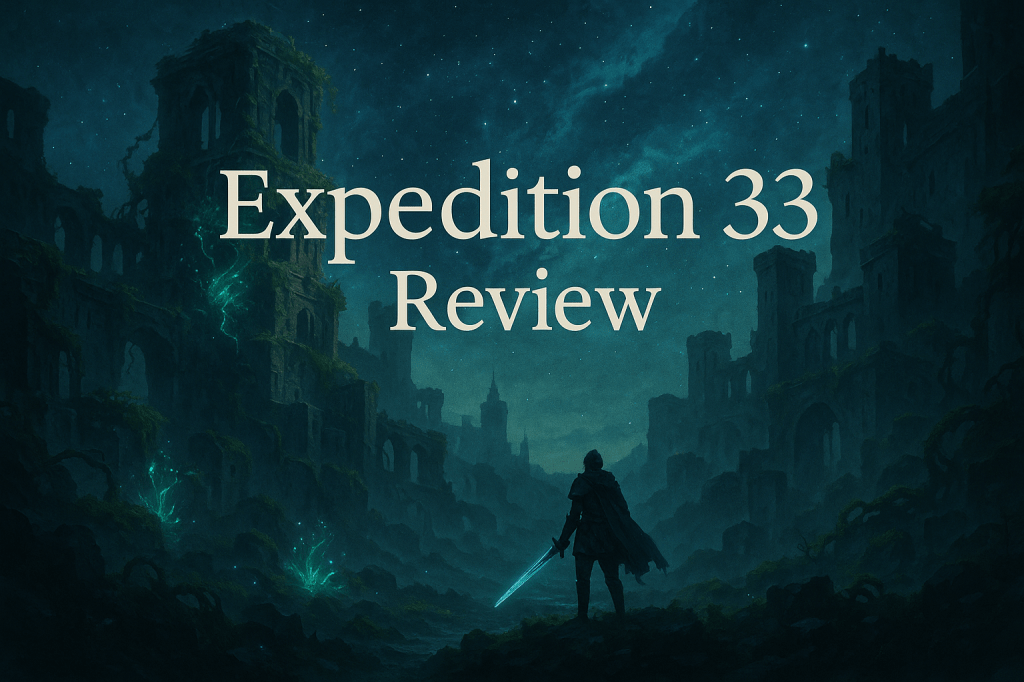
    Game Review: Expedition 33 – A Beautiful, Brutal March Through Memory and Magic

    Hey fellow gamers! Buckle your seatbelts (or should I say, lace up your enchanted boots), because we’re diving headfirst into the stunning, somber, and straight-up savage world of Expedition 33 — the latest action RPG that dares to ask: what if you could defy fate… but at what cost?

    Developed by the ever-ambitious folks at Sandfall Interactive and published under the banner of Kepler Interactive, Expedition 33 is like if Dark Souls, Ni No Kuni, and Dragon Age got lost together in a dreamscape painted by Studio Ghibli and punched each other in the feels.


    The Premise: Death is a Calendar Event

    Every year, the Paintress awakens to “mark” the world’s population—literally painting them into nonexistence. Grim, right? You play as part of the titular Expedition 33, the final squad of unpainted warriors aiming to break this vicious cycle.

    If that sounds like a poetic existential crisis wrapped in gorgeous art direction—well, it is.


    Art & Aesthetic: Watercolors Meet Wounds

    This game is gorgeous. From the dew-speckled ruins of ancient cities to lavender-lit mountain peaks that glow like bedtime stories gone wrong, Expedition 33 oozes style. Every character design looks hand-brushed, and the enemies are like nightmares imagined by a romantic painter on a bad trip.

    If you played Ori and the Will of the Wisps and said, “this could be darker,” congratulations—you manifested this game.


    Combat: Turn-Based with Bite

    Here’s where it gets crunchy: Expedition 33 uses turn-based combat, but don’t you dare call it slow. Each battle is cinematic and brutal. Positioning matters, timing is everything, and enemy encounters feel like puzzles you hurt your way through.

    Every party member has their own tragic backstory and unique set of skills, and combo abilities are not only useful—they’re drop-dead cool. Think flaming whirlwinds, spectral arrows, and devastating duo attacks that make you want to fist-pump even after getting KO’d.

    Pro tip: healing is limited. If you walk into a fight thinking this is a grind-a-thon JRPG, the Paintress is gonna paint you right out of existence.


    Characters: Sad, Sweet, and Sometimes Snarky

    The emotional core of Expedition 33 is its characters. Your crew is a band of broken badasses, each one haunted by what the Paintress took from them. Between battles, you’ll share fireside chats, upgrade gear, and make gut-wrenching choices that do affect the ending.

    Also: one of them has a talking bird who critiques your life choices. Instant 10/10.


    Final Thoughts: Artful Anguish Worth Playing

    Expedition 33 isn’t just a great game—it’s a statement. It’s about resistance against inevitable decay, about memory and meaning, and about choosing to fight when it’s easier to fade.

    Is it hard? Oh yes. Is it worth it? Absolutely.

    So if you’re in the mood for a heartbreaker in a watercolor shell—one that’ll test your tactics and tug your emotions—Expedition 33 should be your next quest.


    Final Score: 9/10

    Pros: Breathtaking visuals, deep tactical combat, rich story
    Cons: Steep difficulty curve, occasional camera wonkiness during battles

    Now, if you’ll excuse me, I’ve got a ghost panther to re-fight for the sixth time. Worth it.

  • Top Classic Nintendo Video Games by Year (1984–2004)

    Top Classic Nintendo Video Games by Year (1984–2004)

    Explore the greatest hits from Nintendo’s golden years, spanning the NES, SNES, Game Boy, Nintendo 64, and GameCube. These iconic titles shaped generations of gaming and still hold up today.


    Tetris – 1984

    Platform: Nintendo NES, Game Boy
    One of the most iconic puzzle games in history, Tetris delivered endless addictive gameplay with simple yet challenging mechanics. Its NES and Game Boy versions made it a household name and remain timeless classics in gaming.

    Super Mario Bros. – 1985

    Platform: Nintendo NES
    A pioneer of the platforming genre, Super Mario Bros. introduced dynamic levels, power-ups, and secret areas—innovations that laid the foundation for modern video game design.

    The Legend of Zelda – 1986

    Platform: Nintendo NES
    The Legend of Zelda set the standard for action-adventure games with its rich lore, challenging puzzles, and open-ended exploration. It launched one of Nintendo’s most beloved franchises.

    Contra – 1987

    Platform: Nintendo NES
    Konami’s run-and-gun shooter Contra was known for its intense difficulty, fast-paced action, and iconic two-player co-op. Its NES port became a cult classic.

    Super Mario Bros. 3 – 1988

    Platform: Nintendo NES
    Returning to its 2D roots, Super Mario Bros. 3 pushed the NES hardware to its limits with new power-ups, intricate worlds, and unforgettable gameplay—a masterclass in platforming.

    Final Fight – 1989

    Platform: Nintendo SNES
    Final Fight delivered nonstop arcade-style beat-’em-up action with memorable characters and gritty urban settings. A definitive title in SNES’s action game lineup.

    Super Mario World – 1990

    Platform: Nintendo SNES
    A launch title for the SNES, Super Mario World introduced Yoshi, expansive level design, and smoother graphics—widely considered the pinnacle of 2D Mario games.

    Final Fantasy IV – 1991

    Platform: Nintendo SNES
    Also released as Final Fantasy II in the U.S., this classic RPG combined deep storytelling, turn-based combat, and emotional character arcs. It remains a genre-defining title.

    Teenage Mutant Ninja Turtles IV: Turtles in Time – 1992

    Platform: Nintendo SNES
    An arcade favorite brought home, Turtles in Time let players brawl through time as their favorite Ninja Turtles. Its multiplayer mode and vibrant visuals made it a fan favorite.

    Star Fox – 1993

    Platform: Nintendo SNES
    With revolutionary 3D graphics powered by the Super FX chip, Star Fox redefined rail shooters and wowed players with its fast-paced, outer space action.

    Super Metroid – 1994

    Platform: Nintendo SNES
    Known for its atmospheric world, nonlinear exploration, and refined gameplay, Super Metroid became a cornerstone of the Metroidvania genre.

    Chrono Trigger – 1995

    Platform: Nintendo SNES
    Developed by Square, Chrono Trigger is regarded as one of the greatest RPGs ever made. With time-traveling storylines, memorable characters, and multiple endings, it set the bar for narrative-driven gaming.

    Pokémon Red & Blue – 1996

    Platform: Nintendo Game Boy
    Pokémon Red and Blue launched a global phenomenon. Catching, battling, and trading 151 creatures introduced a new generation to RPGs and multiplayer gameplay.

    GoldenEye 007 – 1997

    Platform: Nintendo 64
    A revolutionary first-person shooter, GoldenEye 007 combined cinematic storylines with multiplayer mayhem. It helped establish console FPS games as a dominant genre.

    The Legend of Zelda: Ocarina of Time – 1998

    Platform: Nintendo 64
    Often called the greatest video game of all time, Ocarina of Time brought 3D adventure gaming to new heights with groundbreaking mechanics and emotional storytelling.

    Super Smash Bros. – 1999

    Platform: Nintendo 64
    This crossover brawler introduced fans to chaotic multiplayer battles between beloved Nintendo characters. Its success launched one of the most enduring franchises in competitive gaming.

    Mario Tennis – 2000

    Platform: Nintendo 64
    With smooth mechanics and arcade-style gameplay, Mario Tennis brought a lighthearted twist to sports games. Perfect for multiplayer fun with friends and family.

    Luigi’s Mansion – 2001

    Platform: Nintendo GameCube
    As a GameCube launch title, Luigi’s Mansion gave Mario’s brother a starring role in a spooky yet charming ghost-hunting adventure.

    Metroid Prime – 2002

    Platform: Nintendo GameCube
    Metroid Prime seamlessly transitioned the series into first-person, offering immersive environments and precise shooting mechanics—critically acclaimed as a top-tier GameCube title.

    Mario & Luigi: Superstar Saga + Bowser’s Minions – 2003

    Platform: Nintendo 3DS
    This enhanced re-release blended humorous storytelling with turn-based RPG elements, breathing new life into the Mario & Luigi series with modern visuals and amiibo support.

    Metroid: Zero Mission – 2004

    Platform: Game Boy Advance
    A faithful remake of the original Metroid, Zero Mission featured modern graphics and streamlined gameplay, offering a perfect entry point into the iconic series.


    Final Thoughts

    From puzzle classics like Tetris to timeless RPGs like Chrono Trigger and Final Fantasy IV, Nintendo’s rich legacy of games shaped generations. Whether you’re revisiting these nostalgic titles or discovering them for the first time, this list showcases the best of retro gaming.