Tag: reviews

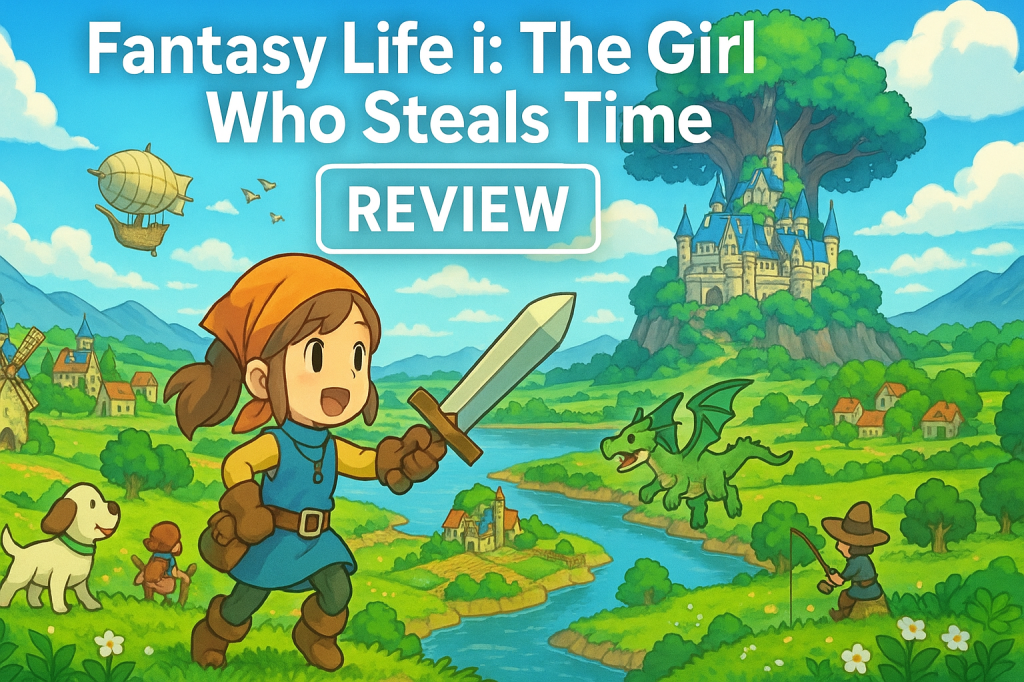
  • Game Review: Fantasy Life i: The Girl Who Steals Time – A Cozy RPG With Big Ambitions

    Game Review: Fantasy Life i: The Girl Who Steals Time – A Cozy RPG With Big Ambitions

    Gameplay: Slice-of-Life Meets Time-Traveling RPG

    Fantasy Life i: The Girl Who Steals Time blends cozy life sim mechanics with action RPG elements and a surprising time-travel twist. You start by choosing a “Life,” the game’s job class system that includes roles like Paladin, Woodcutter, Cook, or Mage—each offering its own quests, mechanics, and personality.

    The game thrives on variety. Want to hunt monsters and save the world? You can. Prefer fishing, farming, or crafting epic gear? You’ll be just as rewarded. It’s easy to switch between lives, encouraging experimentation and avoiding burnout. The game’s challenge curve is just right—accessible for casual players, but satisfying for completionists.

    The new time-travel element adds a layer of mystery and progression that keeps things engaging. You’re rebuilding a ruined island in the present while exploring its vibrant past, creating a loop that’s both narratively and mechanically rewarding.


    Graphics: Whimsical Charm in Every Frame

    While not aiming for realism, Fantasy Life i has an undeniable charm. The colorful environments, expressive characters, and playful animations give off warm, Ghibli-like energy. Each “Life” has its own visual flair—from the spell effects of a wizard to the satisfying sparkle of a polished gem.

    The game performs well on the Switch, with no major frame rate dips, even when juggling busy scenes or loading new areas. The world feels alive, even if the art leans more into whimsy than cutting-edge realism.


    Music and Sound: Cozy and Comforting

    The soundtrack is filled with upbeat, relaxing melodies that match the game’s tranquil tone. Each area and life role has its own musical vibe, making exploration feel fresh even after hours of play. Sound effects, from hammering metal to rustling trees, are detailed and immersive.

    Voice acting is minimal but effective, with characters expressing emotions through clever dialogue and charming expressions. The ambiance alone makes this a great “wind down after a long day” game.


    Story: Lighthearted With Surprising Depth

    At first glance, Fantasy Life i might seem like just another cute life sim—but it packs a surprisingly deep narrative. The central mystery—rebuilding a town and unraveling the secrets of time—is both intriguing and emotional. Characters are memorable, and your actions in the past influence the present in meaningful ways.

    While the pacing can feel slow in the beginning, the story gradually becomes more complex. It rewards players who take their time and engage with every part of the world.


    Final Verdict:

    Fantasy Life i: The Girl Who Steals Time is a joyful, feel-good game that’s easy to sink hours into. With its seamless blend of RPG and life sim mechanics, charming visuals, and heartwarming narrative, it’s a must-play for fans of Animal Crossing, Rune Factory, or Stardew Valley—but with that distinct Level-5 twist.


    BigCrits Rating: 8.5/10

    A cozy RPG that lets you live many lives at once—while unraveling time itself. Perfect for players who want to relax and explore.
  • Game Review: Death Stranding: Director’s Cut – A Bold, Beautiful Masterpiece from Kojima

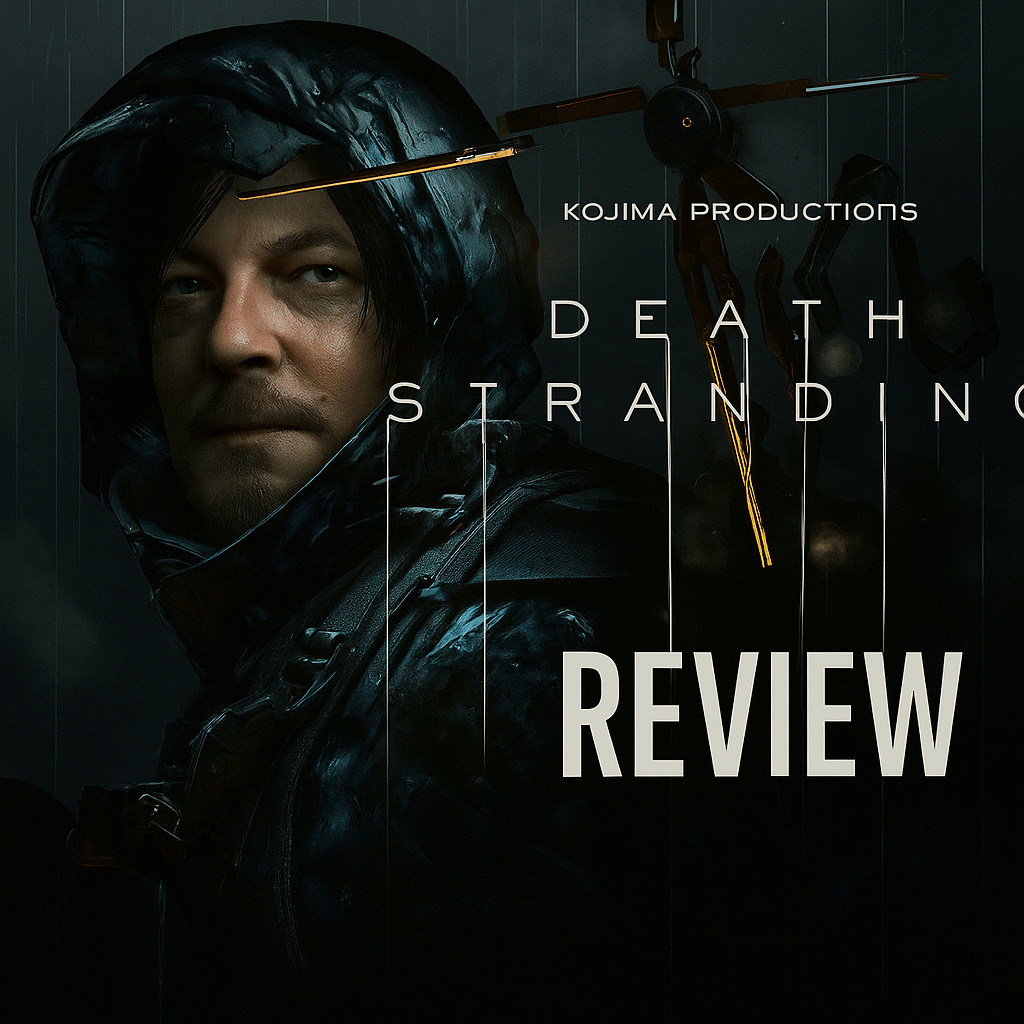
    Game Review: Death Stranding: Director’s Cut – A Bold, Beautiful Masterpiece from Kojima

    Gameplay: A Journey Like No Other

    If you’re looking for a gameplay experience that defies conventions, Death Stranding: Director’s Cut is in a league of its own. Hideo Kojima introduces a new genre—the “Strand” game—that focuses on delivering cargo, connecting communities, and surviving a post-apocalyptic world that feels eerily plausible.

    What makes the gameplay so compelling is how it evolves with you. It starts with a deliberate pace, challenging but never discouraging. As you improve, the mechanics feel more natural and rewarding. The sense of progression is perfectly tuned—you’re always learning, always improving, and the game respects your time and effort. Whether you’re navigating treacherous mountains or building highways to ease future travel, every moment feels earned.


    Graphics: Next-Level Photorealism

    Simply put, Death Stranding is one of the best-looking games ever made. The landscapes are so stunningly realistic you’ll find yourself pausing just to soak it all in. From windswept plains to rain-drenched cliffs, the world is rich with environmental detail that feels alive and immersive.

    Character models are based on real actors—including Norman Reedus, Mads Mikkelsen, and Léa Seydoux—and their performances shine through not just in dialogue, but in every facial expression and movement. It’s like watching a high-budget film where you control the lead role. Frame rates are buttery smooth, ensuring the cinematic experience never breaks.


    Music & Sound: Atmospheric and Original

    The sound design in Death Stranding is nothing short of phenomenal. The original soundtrack, featuring artists like Low Roar, is hauntingly beautiful and perfectly tailored to the game’s mood. It never feels generic or forced—it becomes part of the journey itself.

    Voice acting is top-tier, rivaling Hollywood in quality and emotion. Environmental sounds, from the crunch of gravel beneath your boots to the hum of your bike, are deeply immersive and meticulously crafted. Whether you’re traversing a river or sneaking through a BT-infested zone, the audio brings every moment to life.


    Story: Wild, Deep, and Satisfying

    Kojima is known for telling stories that challenge the norm, and Death Stranding is no exception. It’s bizarre, emotional, and deeply philosophical. While it can feel confusing at times—especially early on—the payoff is more than worth it.

    By the time the credits roll, all the puzzle pieces fall into place. Every question finds an answer. Every narrative thread is tied up with purpose. It’s a rare kind of storytelling that leaves you thinking about its message long after you’ve put down the controller.


    Final Verdict

    Score: 9.6/10

    Death Stranding: Director’s Cut is not just a game—it’s an experience. With groundbreaking gameplay, jaw-dropping visuals, unforgettable music, and a story that dares to go places few others will, this is Kojima at his most unrestrained and brilliant. It won’t be for everyone—but for those willing to take the journey, it’s unlike anything else in gaming.

  • Game Review: Expedition 33 – A Beautiful, Brutal March Through Memory and Magic

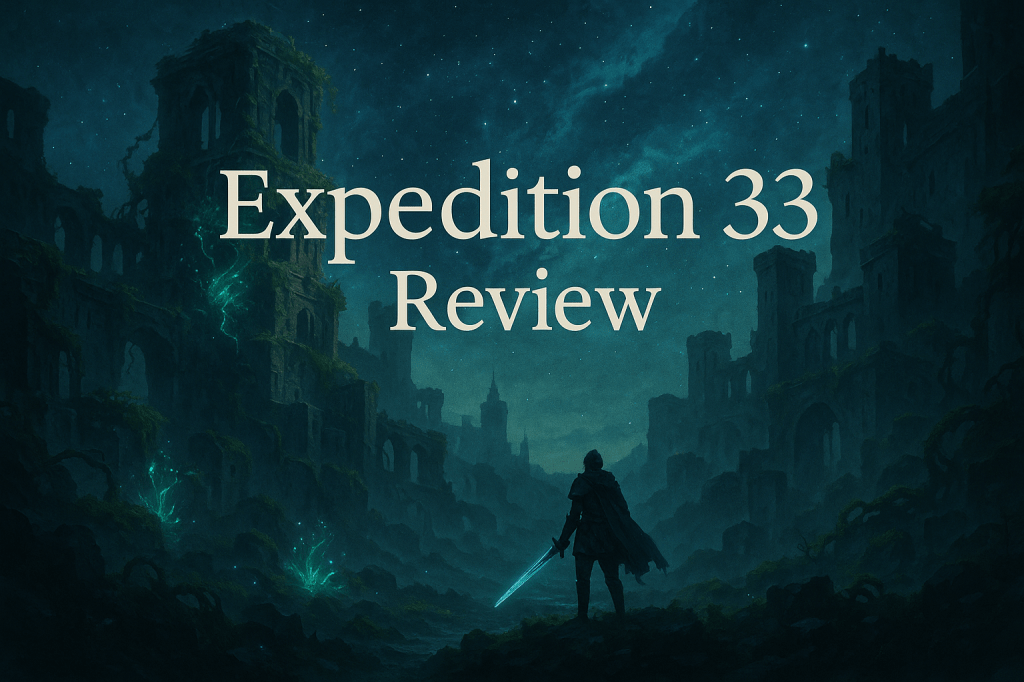
    Game Review: Expedition 33 – A Beautiful, Brutal March Through Memory and Magic

    Hey fellow gamers! Buckle your seatbelts (or should I say, lace up your enchanted boots), because we’re diving headfirst into the stunning, somber, and straight-up savage world of Expedition 33 — the latest action RPG that dares to ask: what if you could defy fate… but at what cost?

    Developed by the ever-ambitious folks at Sandfall Interactive and published under the banner of Kepler Interactive, Expedition 33 is like if Dark Souls, Ni No Kuni, and Dragon Age got lost together in a dreamscape painted by Studio Ghibli and punched each other in the feels.


    The Premise: Death is a Calendar Event

    Every year, the Paintress awakens to “mark” the world’s population—literally painting them into nonexistence. Grim, right? You play as part of the titular Expedition 33, the final squad of unpainted warriors aiming to break this vicious cycle.

    If that sounds like a poetic existential crisis wrapped in gorgeous art direction—well, it is.


    Art & Aesthetic: Watercolors Meet Wounds

    This game is gorgeous. From the dew-speckled ruins of ancient cities to lavender-lit mountain peaks that glow like bedtime stories gone wrong, Expedition 33 oozes style. Every character design looks hand-brushed, and the enemies are like nightmares imagined by a romantic painter on a bad trip.

    If you played Ori and the Will of the Wisps and said, “this could be darker,” congratulations—you manifested this game.


    Combat: Turn-Based with Bite

    Here’s where it gets crunchy: Expedition 33 uses turn-based combat, but don’t you dare call it slow. Each battle is cinematic and brutal. Positioning matters, timing is everything, and enemy encounters feel like puzzles you hurt your way through.

    Every party member has their own tragic backstory and unique set of skills, and combo abilities are not only useful—they’re drop-dead cool. Think flaming whirlwinds, spectral arrows, and devastating duo attacks that make you want to fist-pump even after getting KO’d.

    Pro tip: healing is limited. If you walk into a fight thinking this is a grind-a-thon JRPG, the Paintress is gonna paint you right out of existence.


    Characters: Sad, Sweet, and Sometimes Snarky

    The emotional core of Expedition 33 is its characters. Your crew is a band of broken badasses, each one haunted by what the Paintress took from them. Between battles, you’ll share fireside chats, upgrade gear, and make gut-wrenching choices that do affect the ending.

    Also: one of them has a talking bird who critiques your life choices. Instant 10/10.


    Final Thoughts: Artful Anguish Worth Playing

    Expedition 33 isn’t just a great game—it’s a statement. It’s about resistance against inevitable decay, about memory and meaning, and about choosing to fight when it’s easier to fade.

    Is it hard? Oh yes. Is it worth it? Absolutely.

    So if you’re in the mood for a heartbreaker in a watercolor shell—one that’ll test your tactics and tug your emotions—Expedition 33 should be your next quest.


    Final Score: 9/10

    Pros: Breathtaking visuals, deep tactical combat, rich story
    Cons: Steep difficulty curve, occasional camera wonkiness during battles

    Now, if you’ll excuse me, I’ve got a ghost panther to re-fight for the sixth time. Worth it.